

To us snow and cold seem a mere delaying of the spring. How far we are from understanding the value of these things in the economy of Nature!
—Thoreau, Journal, 8 March 1859
One must have a mind of winter
To regard the frost and the boughs
Of the pine-trees crusted with snow;
And have been cold a long time
To behold the junipers shagged with ice,
The spruces rough in the distant glitter
Of the January sun. . .
—Wallace Stevens
I must confess that I have been hibernating. Though no words have taken flight from these old hands, I trust you, dear reader, have continued the good work without me, just as the garlic continues to grow in the silent January soil.
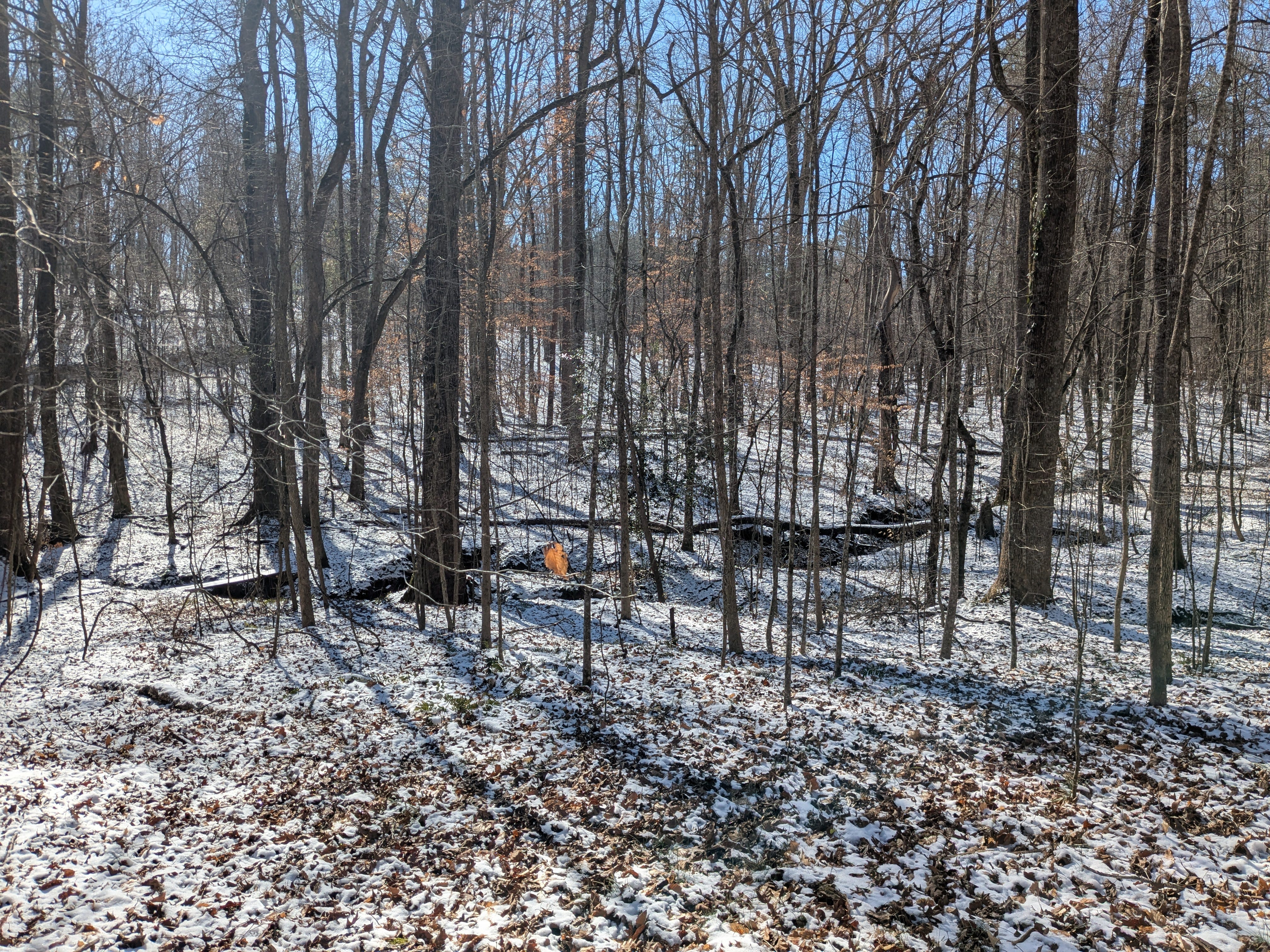
In my soul’s cycle of the year, January is the cruelest month. I don’t have “the mind of winter” as Wallace Stevens recommends, nor do I wish to be “cold for a long time” (no doubt, the poet had just walked to work in Hartford in January when he composed these lines). Our Connecticut grandchildren would scoff at Georgia’s modest moments of cold and snow. Yet, these moments still paralyze my soul, tip me into the slough of despond, nudge me, groundhog-like, into a burrow. I miss the sun on these too-short days. My bees bury themselves in each other, as it were, and shiver to keep themselves collectively warm. I am more Bee Man than Snow Man; the best I can muster is to shiver by the fire, embracing the sun sleeping in the oak splits.
We had an entirely unreasonable January, in my humble opinion, with three winter storms. I can tolerate a single snow moment, one that graciously melts by afternoon. It does make for a lovely morning, highlighting the contours of the land, crafting sharp silhouettes of the trees rising against the background of white. And yes, we did indeed have some lovely snow moments, though not to Stevens’s standards, moments that our Great Pyrenees Zen loved, casually curled in the snow as if born to it.
How far am I from understanding the value of these things in the economy of Nature!
We did have a collective moment of winter dread here in the Georgia Piedmont. All the best meteorological prognostications pointed to a bad ice storm, one that would surely leave our remote community without power for days. As our property is located south of sparsely populated (thank God) farm country, down a dirt road at the edge of the national forest—at the literal end of the line—we know our power will be among the last to be restored. So we prepared pots of food and baked bread. We filled buckets of water (our well pump, of course, powered by that which we feared we would lose), and we renewed our provision of fire wood.
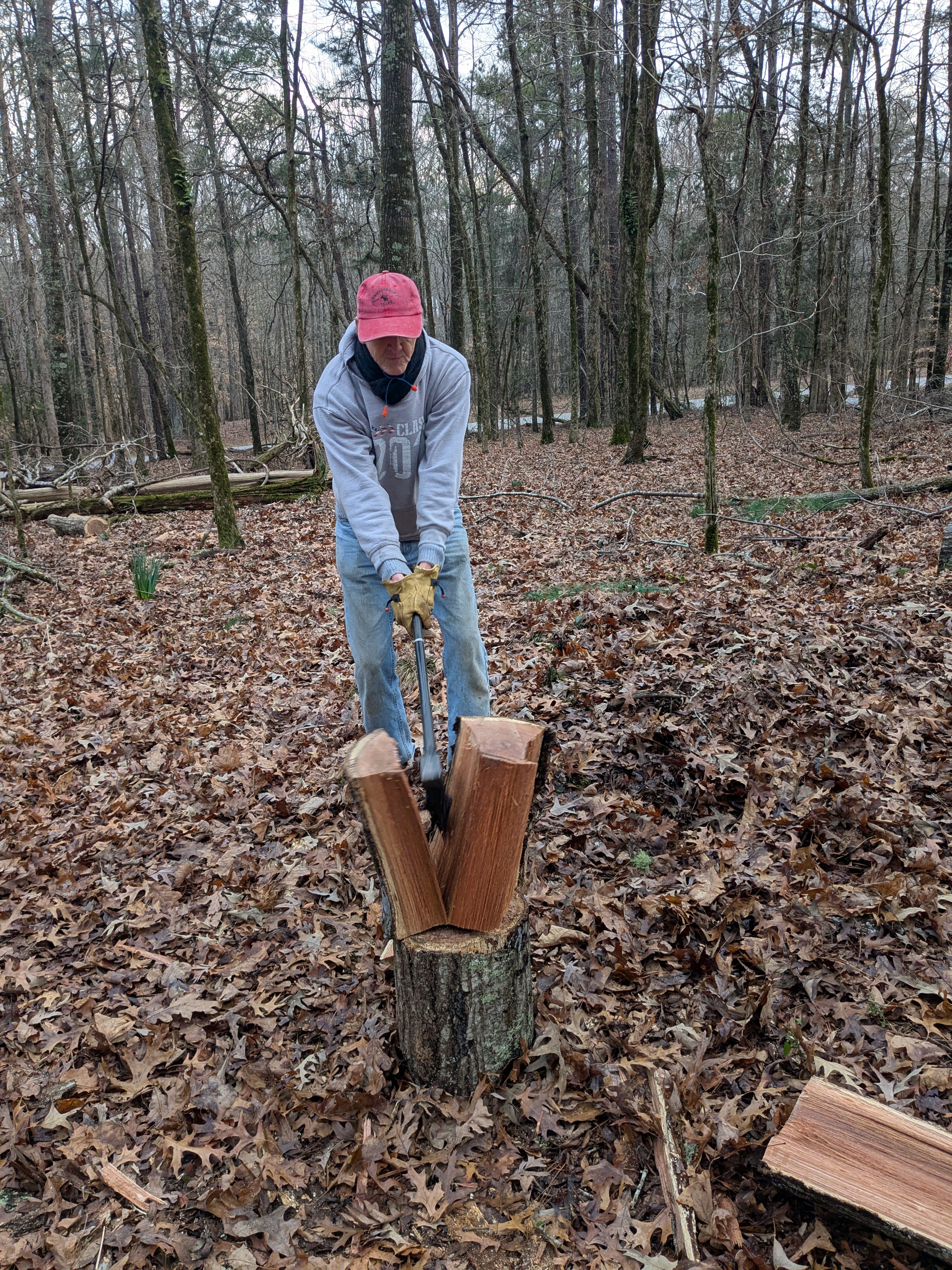
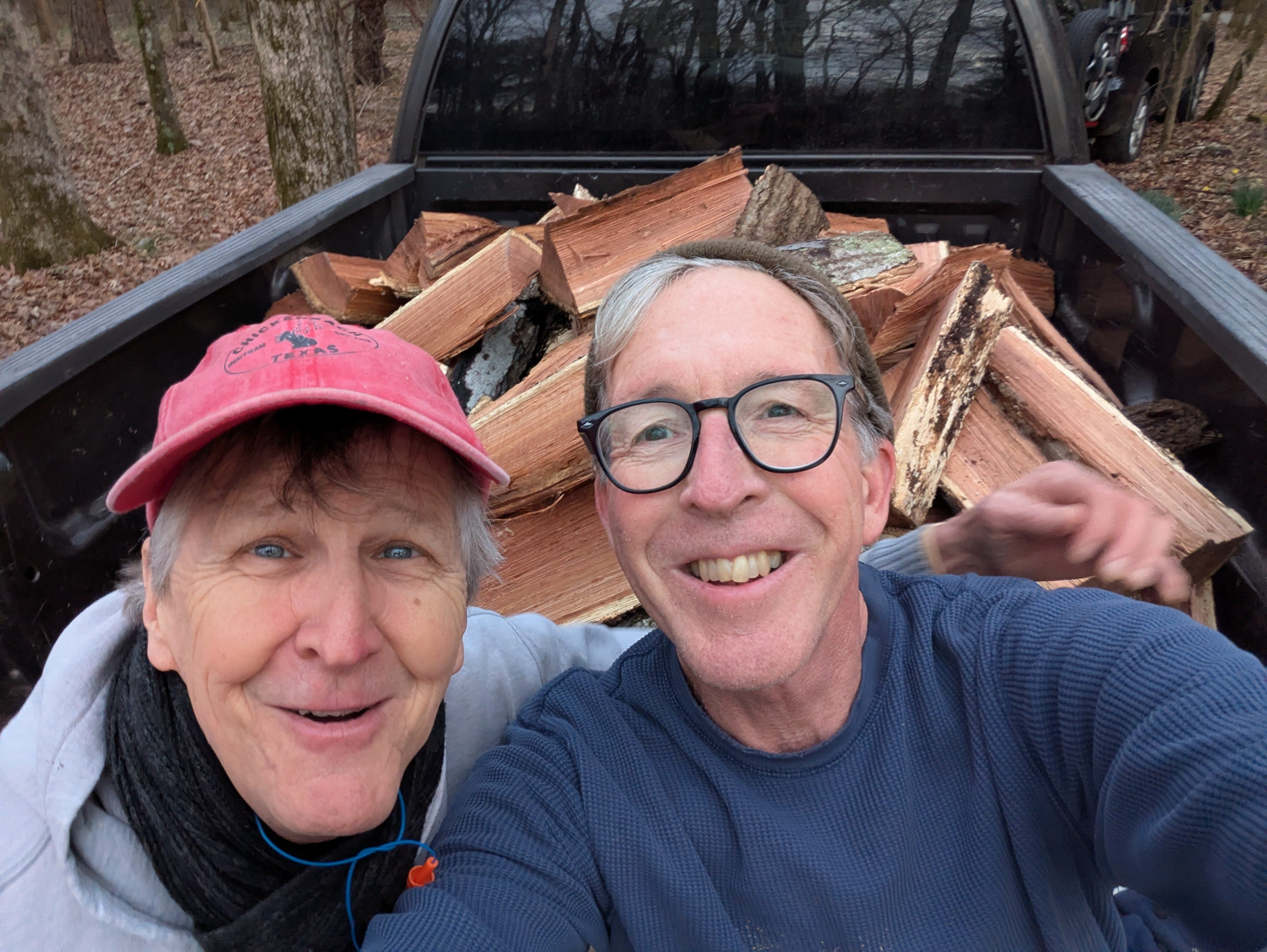
Let me digress briefly here on cutting and splitting firewood. I have for all my life enjoyed the hard work of cutting wood. In high school, my brother and I cut, split, hauled, and stacked firewood as part of our summer work; there is truth in the old saw that wood warms you twice, though these days I prefer to be warmed by the wood in the cooler days of the year. For many years now, the work has been made more pleasant by the help of my dearest friend Andy. With the threat of an ice storm looming, we planned a day in the woods. The joy of that day lingers like the smell of freshly split red oak. The thwack of an axe on oak gives a special joy, the straight grain giving way to the well placed swing. Such physical work is always immensely gratifying, and though we indulge in some twentieth-century technology (a chain saw is an amazing invention), I always feel somewhat more connected to lives lived back when firewood was essential to life. With a good load for each of us stacked, we concluded our day as we always have by exclaiming, “We are rich!”---a sentiment I know our forebears would share. A good fire warms the feet and the imagination; it is a pleasure deeply embedded in our genes, having been part of our experience as a species for nearly as long as we have been a species.
On the eve of the promised ice storm, my wife and I ate well, took showers (another nicety predicated on electricity), and went to bed, reasonably confident in our preparations. I slept fitfully and rose early, elated that coffee was still possible as the sun came up. With a cup in hand, I reviewed the weather radar as the faint light of morning began to illuminate the dusting of snow on the garden. Thus fortified, I made my usual morning rounds. Zen, indifferent to the cold, was quietly curled and sleeping after her night of guarding the farm. The cats who live in our garden house greeted me, just roused from snuggling together. The greenhouse, warmed by propane, sported a balmy 60 degrees. The chickens, a bit slow to rise, carefully pecked the oddly white ground. As the sky lightened from battleship gray, I saw no ice on the trees, the predicated source of our fears and the true hazard.
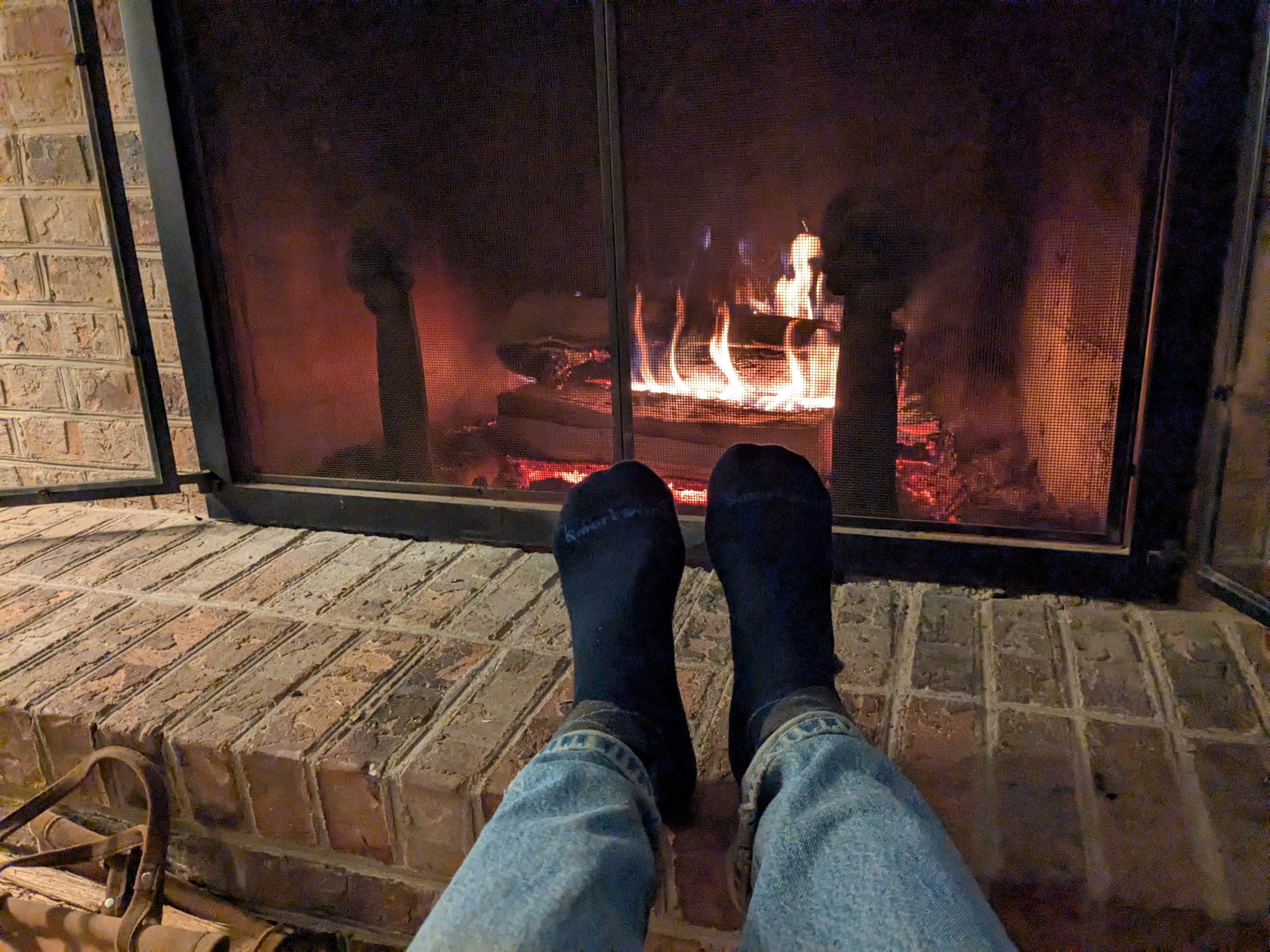
With all well on the farm, I lit the fire I had prepared the night before, made tea, and picked up a collection of Billy Collins’s poems about dogs, a gift from our neighbor whose downed oaks now warmed the room. The day itself was a great gift, a day of reading and musing by the fire, a day I could give myself to listening to the flutters, ticks, and cracks of the woods as it moves from split to warmth. It was a day, as Stevens mused, that offered “nothing that is not there and the nothing that is.”
On Life in the Garden
As the prophet Aldo Leopold says, “There are two spiritual dangers in not owning a farm. One is the danger of supposing that breakfast comes from the grocery, and the other that heat comes from the furnace.”
I have always known, as if born to it, as if I had germinated in the warmth of a spring day in the damp soil, that however the bills were paid, however I managed the business of money, my life’s meaning and truth would be found in the garden.
My writing offers insights on the life I find in the garden and celebrates the glories of the natural world as I work toward an ever greener mind. I hope you will subscribe.
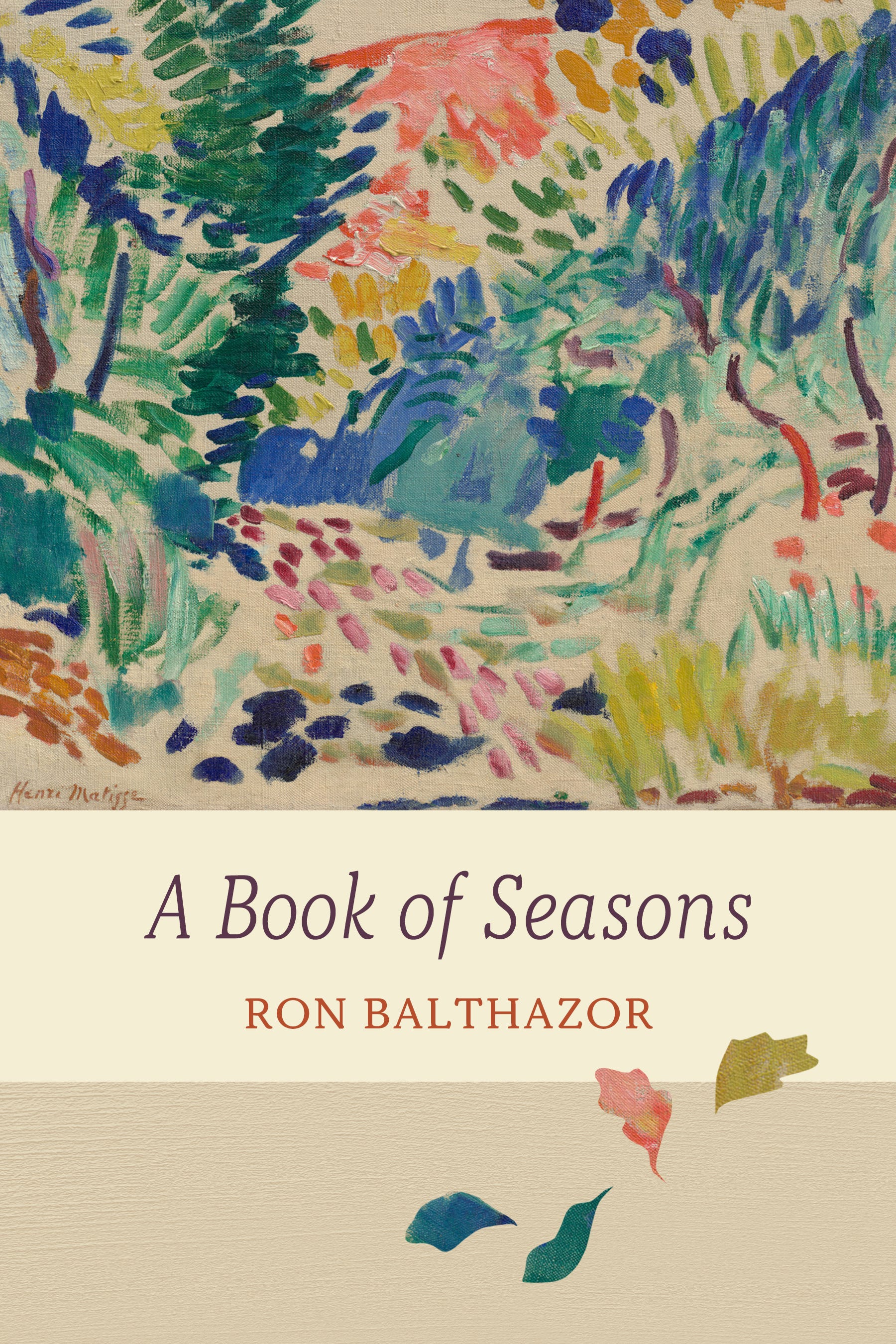
In the spirit of Henry David Thoreau and Aldo Leopold, A Book of Seasons offers a year of meditations on the holiness suffusing even the humblest parts of creation and reflecting on its implications for ourselves and others of all kinds.
Published by Mercer University Press; available May 5th.
I know I'm biased, since I share this wonderful place and this wonderful life with you, but I love this entry. It warms these cold days a bit and reminds me to look forward to the coming Spring with you.
Hitting 75 yesterday I find myself drawn to contemplating my own unsettling past season while looking forward to spring and the beauty to come. Thanks for putting words together that evoke contemplation.