

What are you doing now?
“‘What are you doing now?’ he asked. ‘Do you keep a journal?’ So I make my first entry to-day.” Thus inspired by Emerson’s questioning encouragement, a young Henry David Thoreau begins his journal, a discipline he will keep throughout his life that will ultimately run two million words. His writing has inspired me most of my years, and with this beginning, I, late in my writing life, embrace his practice here.
Earth’s Eye
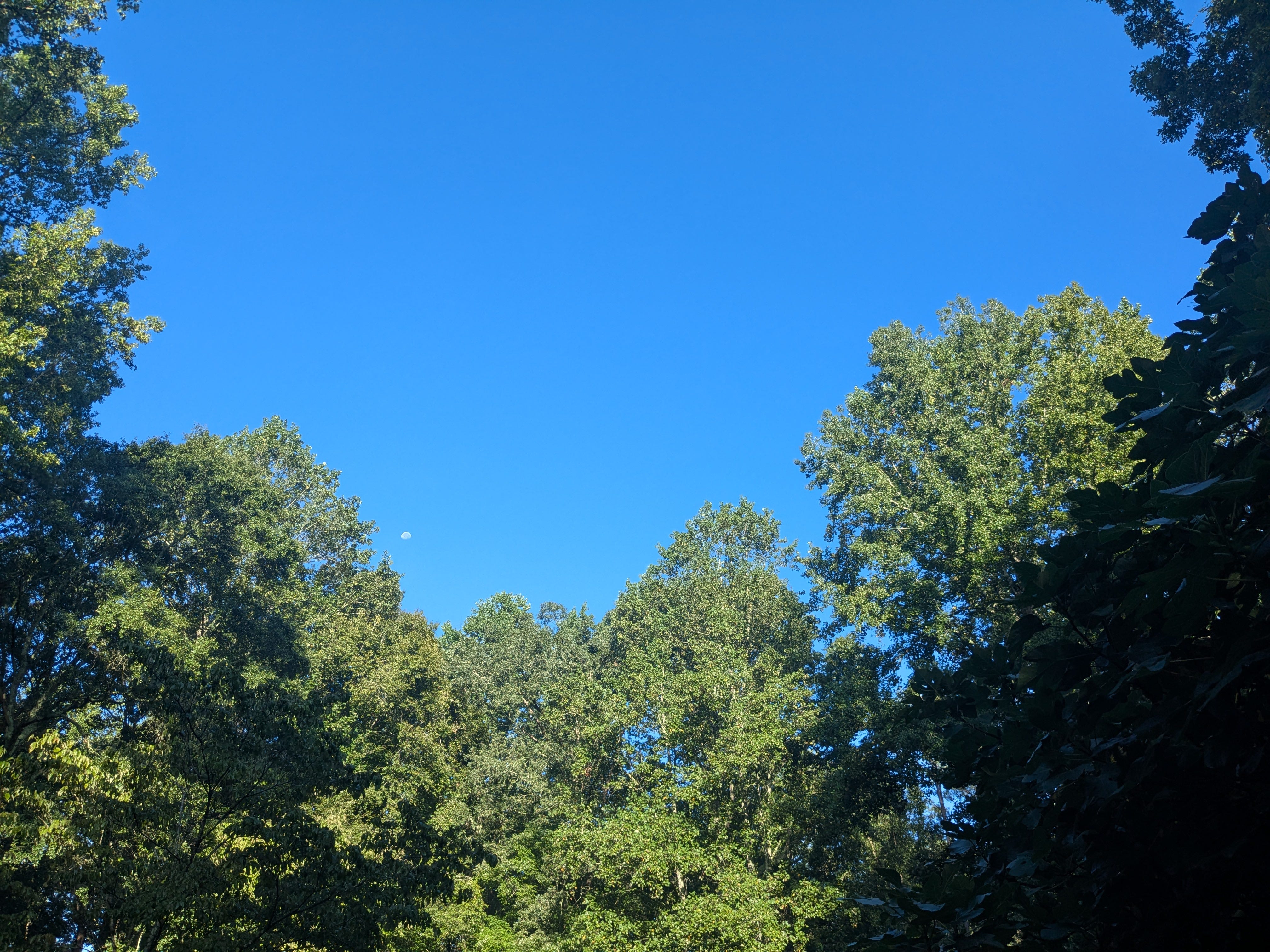
A lake is the landscape's most beautiful and expressive feature. It is earth's eye; looking into which the beholder measures the depth of his own nature. The fluviatile trees next the shore are the slender eyelashes which fringe it, and the wooded hills and cliffs around are its overhanging brows.
—Thoreau, Walden
Our garden is carved out of a mature forest in the Georgia Piedmont; thus sun and shade denote the passing of the day, east to west, and the changing of the seasons, north to south. The day, as Thoreau notes, “is the epitome of the year.” My writing in this space will linger over the changing life of our garden in the cycle of the day and the year, in hopes that looking into our own “earth’s eye,” I may measure the depths of my nature. Follow me on this journey.
The Community of a Fig Tree
On that day, says the Lord of hosts, you shall invite each other to come under your vine and fig tree.”
-- Zechariah 3:9-10
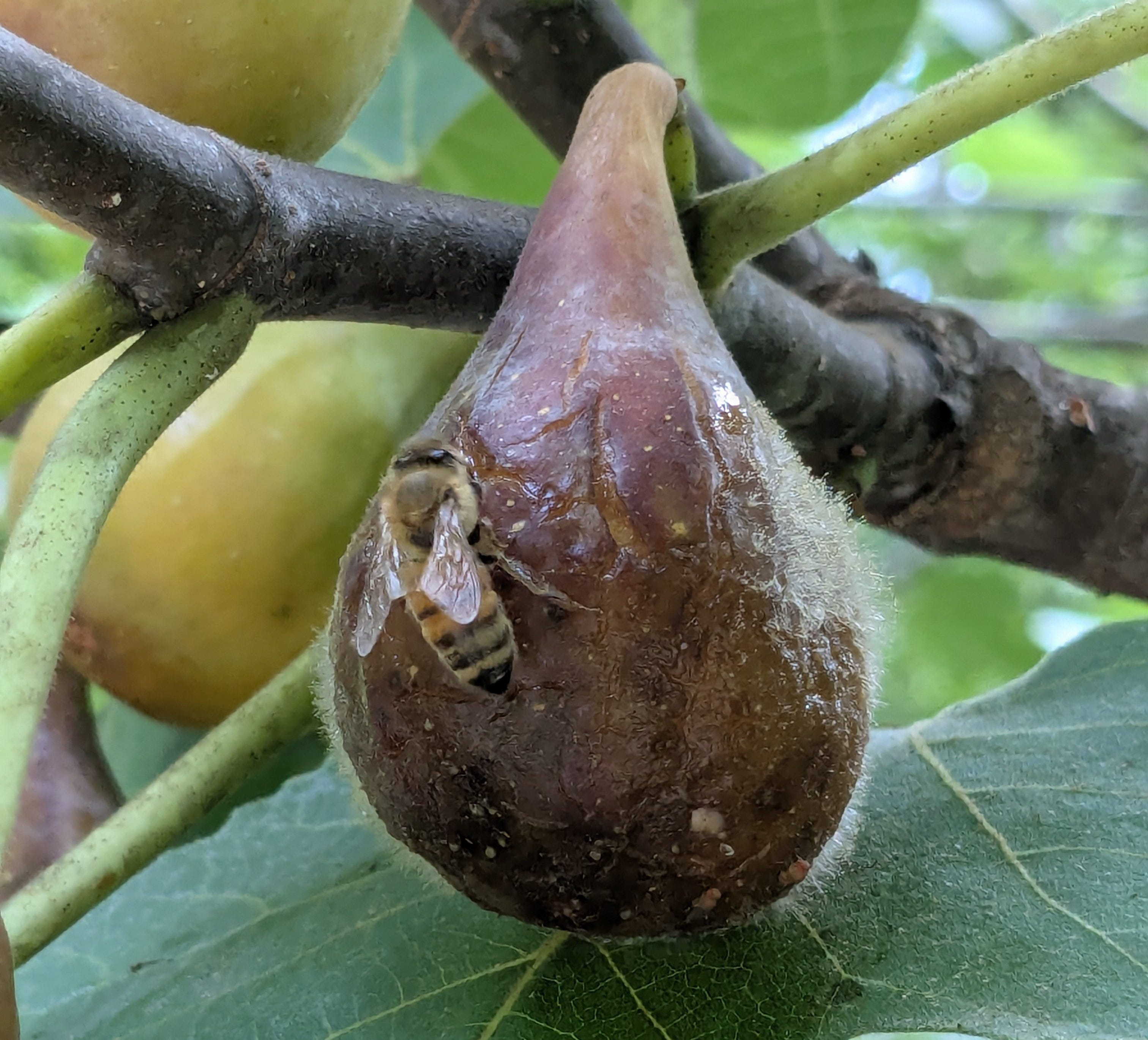
On a hot summer day in August of 2020, the figs on our farm, in riotous abundance, called me and many of the more than human world to enjoy the bounty. Sitting under the shade offered by the luscious leaves, I fell into a reverie at least in part inspired by the heat, the fermenting figs, and the buzz of 10,000 honey bees. My reflection on this reverie became the first chapter of A Book of Season, which will be published by Mercer University Press in May of 2026. Watch this Substack for more.